Metaverse Could Contribute Up To 2.4% of US GDP By 2035, Study Shows
A study commissioned by Meta has found that the metaverse could contribute around 2.4% to U.S. annual GDP by 2035, equating to as much as $760 billion. Reuters reports: The concept of the metaverse includes augmented and virtual reality technologies that allow users to immerse themselves in a virtual world or overlay information digitally on … ⌘ Read more
Taxiing
 ⌘ Read more
Planetary Scientist
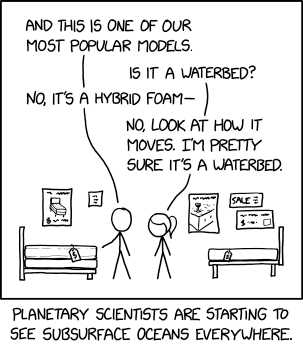 ⌘ Read more
Commemorative Plaque
![[Below] On this site on May 12th, 2023, I finally learned how to use the masonry bit for my drill.](https://imgs.xkcd.com/comics/commemorative_plaque.png) ⌘ Read more
⌘ Read more
↳
In-reply-to
»
@prologic omg yes! They are both ultra-right-wing assholes! The worst of the worst! Please tell me you don't listen to these guys' brain poison?
⤋ Read More
@prologic@twtxt.net Maybe so, but that’s not because of the people who are objecting to Jordan Peterson, that’s for sure. You really need to read the articles I’ve posted before going there. Really.
↳
In-reply-to
»
@prologic omg yes! They are both ultra-right-wing assholes! The worst of the worst! Please tell me you don't listen to these guys' brain poison?
⤋ Read More
Taking Jordan Peterson asn an example, the only thing he “preaches” (if you want to call it that) is to be honest with yourself and to take responsibility.
This is simply untrue. Read the articles I posted, seriously.
In a tweet in one of the articles I posted, Peterson states there is no white supremacy in Canada. This is blatantly false. It is disinformation. Peterson has made statements that rape is OK (he uses “fancy” language like “women should be naturally converted into mothers” but unpack that a bit–what he means is legalized rape followed by forced conception). He is openly anti-LGBTQ and refuses to use peoples’ preferred pronouns. He seems to believe that women who wear makeup at work are asking to be sexually harassed.
He’s using his platform in academia to pretend that straight, white men are somehow the most aggrieved group in the world and everyone else is just whining and can get fucked. The patron saint of Men’s Rights Activists and incels. I find him odious.
↳
In-reply-to
»
(2) Jordan Peterson: "Meghan Markle GRATES On Me!" - YouTube
⤋ Read More
@prologic@twtxt.net nah, not inclined to do that. The articles suffice–have a read of those when you get the chance.
↳
In-reply-to
»
(2) Jordan Peterson: "Meghan Markle GRATES On Me!" - YouTube
⤋ Read More
@prologic@twtxt.net I’ve read half, skimmed the others. Mostly I was going for scale–look at all those headlines. These are horrible people who say horrible things on a regular basis.
I’ve seen BlueSky referred to as BS (as in Blue Sky, but you know…), which seems apt.
CEO is a cryptocurrency fool, as is Jack Dorsey, so I don’t expect much from it. Then again I’m old and refuse to join any new hotness so take my curmudgeonly opinions with a grain of salt.
I read somewhere or another that the “decentralization” is only going to be there so that they can push content moderation onto users. They will happily welcome Nazis and fascists, leaving it up to end users to block those instances.
I wonder how they plan to handle the 4chan-level stuff, since that will surely come.
College Knowledge
 ⌘ Read more
Machine learning model sheds light on how brains recognize communication sounds
In a paper published today in Communications Biology, auditory neuroscientists at the University of Pittsburgh describe a machine learning model that helps explain how the brain recognizes the meaning of communication sounds, such as animal calls or spoken words. ⌘ Read more
Tapetum Lucidum
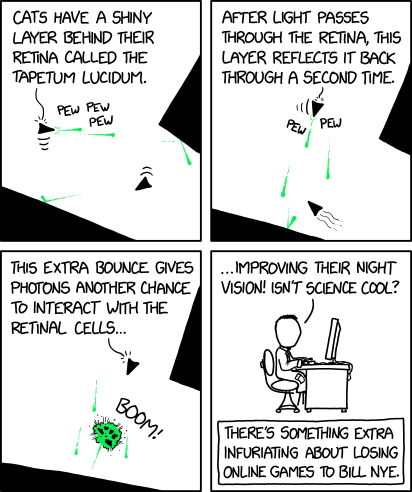 ⌘ Read more
Went to the barber shop today. Got a nice talk and, surprisingly, my first “contract” to 3D print something. So, I spent the last hour reading about QR codes, versions and patterns and rescue data to embed an image in the centre of the code. Then it took me some time to convert it from a PNG to an SVG to an STL, so I can put it into Tinkercad to design the new plate. I now have a baseplate, a backplate with the QRCode & two smaller plates which I have to glue into placeholders on the backplate.
Overlapping Circles
 ⌘ Read more
Definition of e
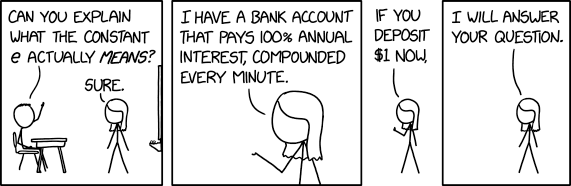 ⌘ Read more
Recipe Relativity
 ⌘ Read more
Helium Reserve
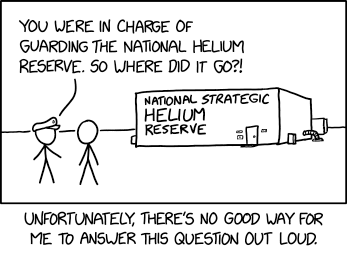 ⌘ Read more
Escape Speed
 ⌘ Read more
Cosmological Nostalgia Content
 ⌘ Read more
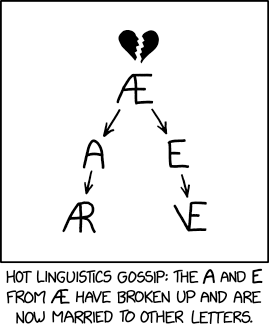
Linguistics Gossip
 ⌘ Read more
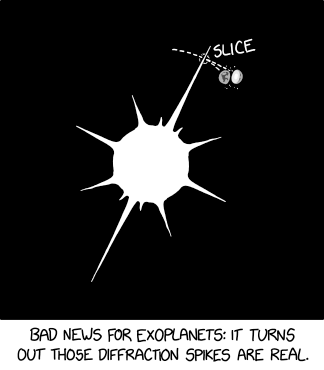
Diffraction Spikes
 ⌘ Read more
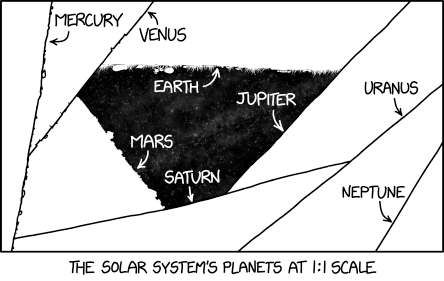
1-to-1 Scale
 ⌘ Read more
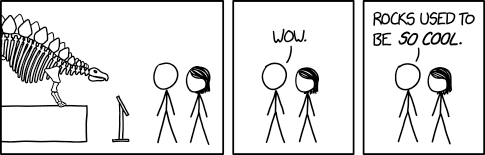
Paleontology Museum
 ⌘ Read more
Easily Confused Acronyms
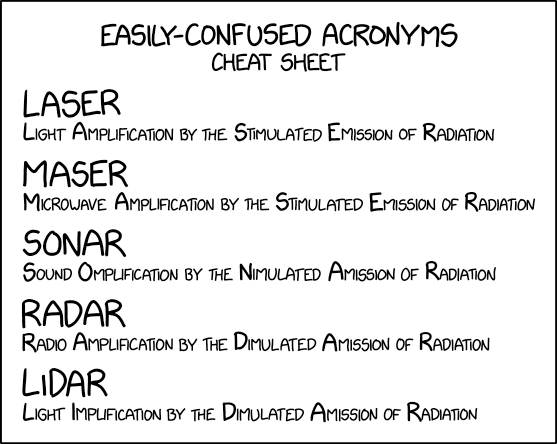 ⌘ Read more
My Favorite Things
 ⌘ Read more
Towed Message
 ⌘ Read more
Qualifications
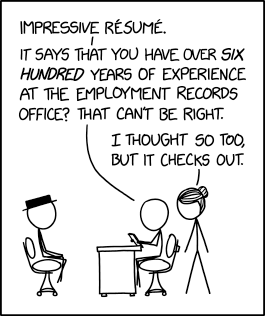 ⌘ Read more
Effect Size
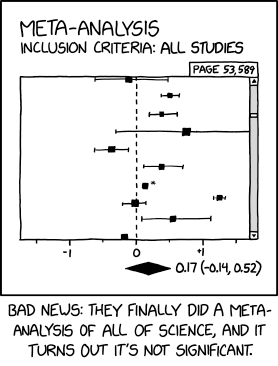 ⌘ Read more
Relative Terms
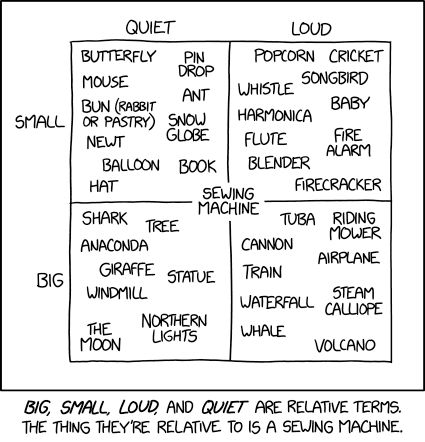 ⌘ Read more
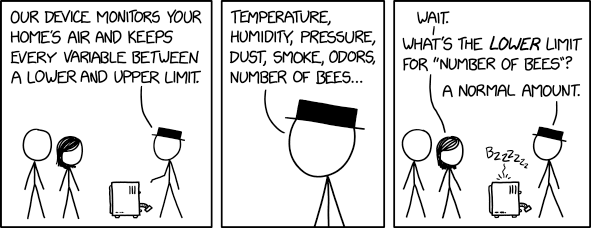
Air Handler
 ⌘ Read more
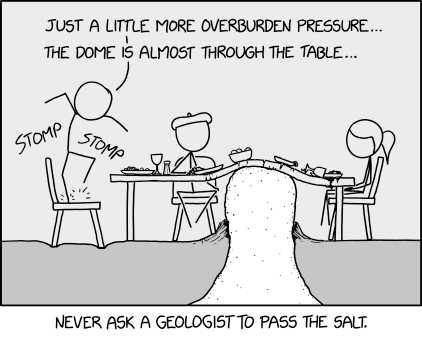
Salt Dome
 ⌘ Read more
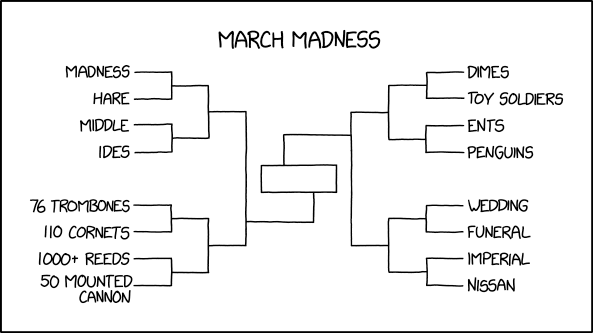
March Madness
 ⌘ Read more
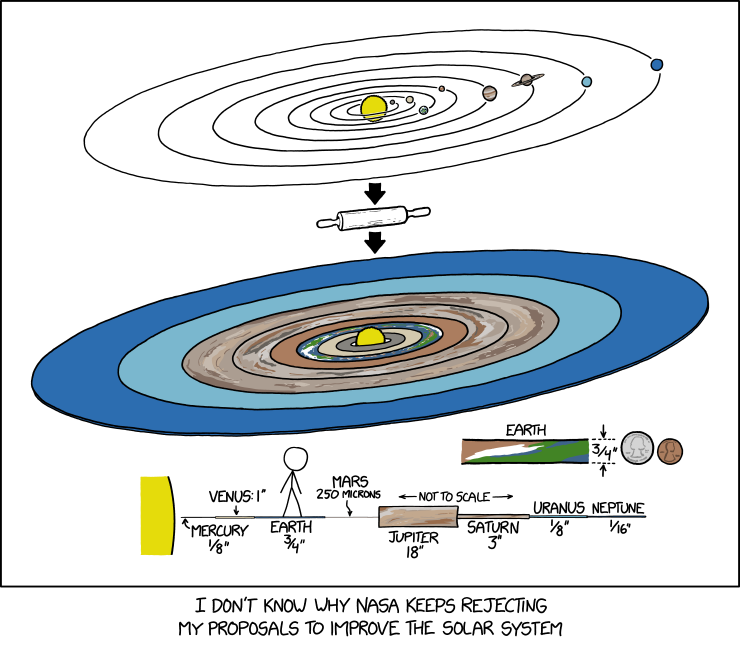
Flatten the Planets
 ⌘ Read more
Lymphocytes
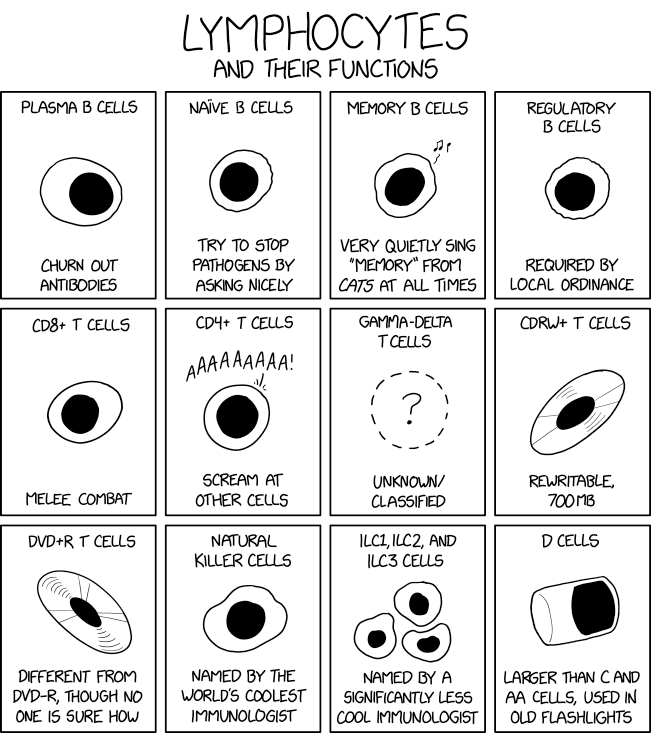 ⌘ Read more
Radians Are Cursed
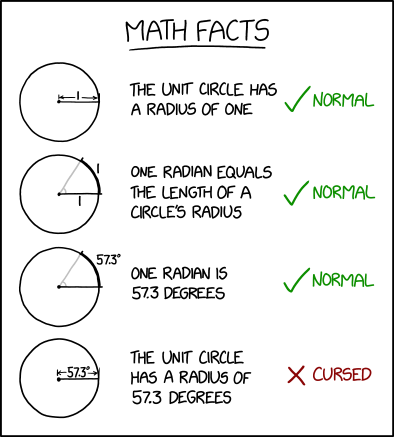 ⌘ Read more
Presents for Biologists
 ⌘ Read more
Launch Window
 ⌘ Read more
Obituary Editor
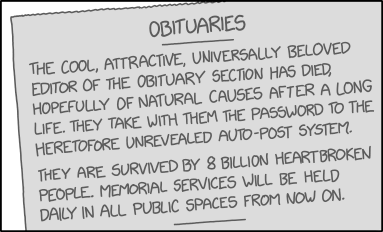 ⌘ Read more
Fanservice
 ⌘ Read more
Hand Dryers
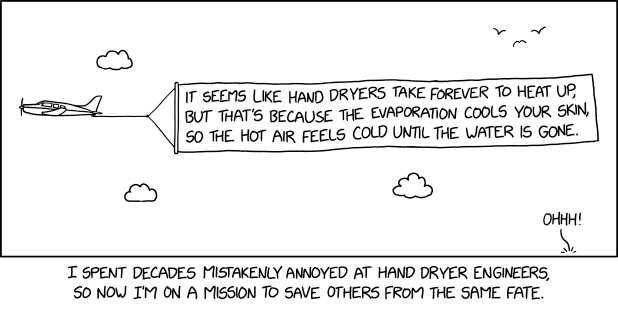 ⌘ Read more
Island Storage
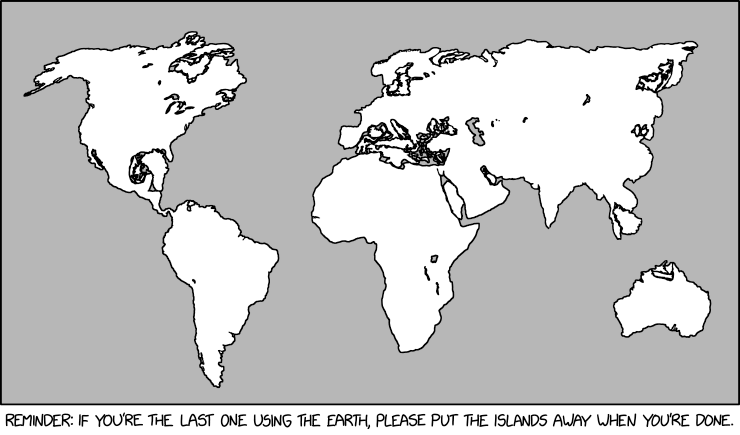 ⌘ Read more
Wish Interpretation
 ⌘ Read more
Square Packing
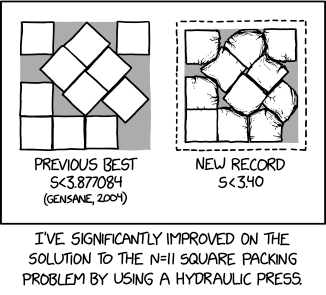 ⌘ Read more
Data Quality
![[exclamation about how cute your cat is] -> [last 4 digits of your cat's chip ID] -> [your cat's full chip ID] -> [a drawing of your cat] -> [photo of your cat] -> [clone of your cat] -> [your actual cat] -> [my better cat]](https://imgs.xkcd.com/comics/data_quality.png) ⌘ Read more
⌘ Read more
Omniknot
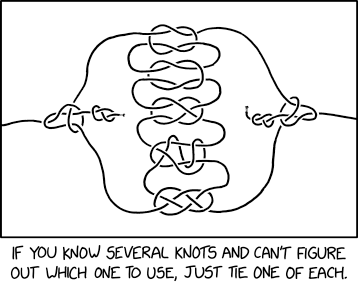 ⌘ Read more
Weather Station
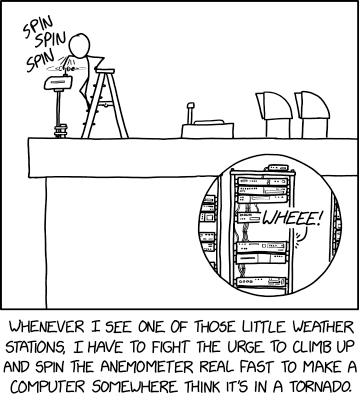 ⌘ Read more
Only Serifs
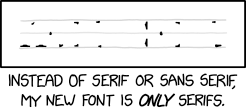 ⌘ Read more
Coordinate Plane Closure
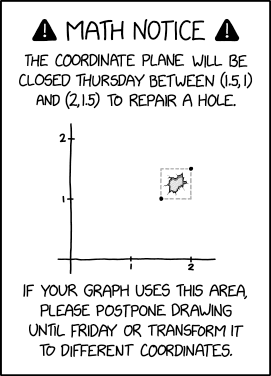 ⌘ Read more
@pbatch@pbat.ch not sure you’re reading this, how come you’re ditching twtxt?
@pbatch@pbat.ch not sure you’re reading this, how come you’re ditching twtxt?